In
Fresh legal insights from Baker McKenzie
to power your business globally
Briefed

Investment funds, asset managers, pension funds, private credit companies, insurers, family offices and supply chain finance companies—collectively known as non-bank financial institutions (NBFIs) and often referred to as the ‘shadow banking sector’—are growing in scale, influence and complexity. Regulators across the globe are preparing to take them out of the shadows and introduce a new layer of oversight: stress tests.
EU regulators are now planning a cross-sectoral stress test for NBFIs that could begin as early as 20271. The UK’s Bank of England ran such an exercise last year, as did the US Federal Reserve earlier this year. This builds on the evolution of financial monitoring and supervision, signaling a shift in expectations around these institutions’ transparency, data readiness and operational resilience.
Why now?
While banks have been subject to sophisticated stress testing frameworks for over a decade, NBFIs have not. The EU’s plans have gained momentum due to similar warnings raised in the UK and other jurisdictions. This reflects growing concerns that NBFIs’ interconnectedness with the financial system poses real risks that could disrupt the broader economy.
“The EU is moving toward a more integrated system-wide approach to NBFI stress testing, learning from the UK’s experience,” says Conrad Ruppel, Partner, Frankfurt.
NBFIs are becoming increasingly interconnected with the broader banking system. They hold nearly 50% of global financial assets2. In the EU, they account for 41% of the EU’s total financial assets, not far off the total for banks’ assets at 36%3. Despite operating at scale, NBFIs often sit outside core regulatory frameworks applicable to banks.
The current regulatory framework for governing NBFIs is less stringent, particularly in terms of systemic risk oversight and market safeguards. And may leave certain systemic vulnerabilities insufficiently addressed in the NBFI sector.
As highlighted in the European Systemic Risk Board report, certain undertakings for collective investment in transferable securities (UCITS) and alternative investment funds (AIFs) are exposed to liquidity risks. However, the regulatory standards applicable to UCITS and AIFs in terms of liquidity risk management and stress testing, for instance, remain less prescriptive than those applied to traditional banks.
Building resilience in the shadow banking sector
The EU’s proposed stress testing framework for NBFIs, expected to take shape over the next year, will focus not only on individual institutional resilience, but also on cross-sector contagion. It will assess how shocks within NBFIs might spill over into banks, markets and other financial institutions.
This is both a challenge and an opportunity. Compliance costs and regulatory scrutiny will inevitably increase. Institutions that invest in a robust data infrastructure, risk management systems and scenario analysis capabilities will be better positioned to navigate future volatility.
“A system-wide stress test for NBFIs will require unprecedented data sharing and transparency. This is an opportunity to set new standards for cooperation and risk management across the EU,” says Conrad Ruppel.
The new stress testing framework is also likely to mirror components for traditional banks with NBFI-specific adaptations.
Stress testing for NBFIs is not an entirely new concept for EU regulators. For example, the Digital Operational Resilience Act (DORA), which became enforceable across the EU on 17 January 2025, requires financial institutions (including banks and certain NBFIs) to conduct regular digital operational resilience stress tests to assess their ability to maintain operations during severe Information and Communication Technology disruption scenarios.
Over time, system-wide stress testing for NBFIs could lead to more formal regulation such as limits on leverage, improved liquidity buffers and more transparent disclosure standards. These measures would enhance resilience at the institutional level and reduce the likelihood of systemic disruptions. Any measures, however, must be proportionate to the risk, or market participants may pursue regulatory arbitrage. New rules will also require more granular, frequent and harmonized data reporting (especially on leverage, liquidity and cross-holdings).
“Smaller NBFIs may struggle with the cost and complexity of new compliance requirements, leading to market consolidation or exit of niche players. Applying bank-like rules to NBFIs could reduce the availability of alternative financing, especially for start-ups,” says Ruppel.
Stress Testing to Shine a Light on Shadow Finance
How Geopolitics Is Changing the Deal
M&A in a Time of Global Turbulence
NAVIGATING TARIFFS
5 Critical Questions for Healthcare and Life Sciences Supply Chains
Artificial Intelligence
Balancing AI Regulation & Pragmatic Governance
Q&A with Sunny Mann
In Service of a Truly Global Future


Conrad Ruppel
Partner, Frankfurt
Share
Contact us

M&A in a Time of Global Turbulence
Geopolitical volatility, regulatory overreach and rising protectionism have turned dealmaking into a high-stakes balancing act. With record levels of dry powder and the need to adapt supply chains to new tariff regimes, cross-border transactions now sit on the fault line.
But in 2025, risk isn’t putting dealmakers off—it’s changing how they operate. “Dealmakers are not waiting for uncertainty to end,” says Shirin Tang, principal and head of M&A in Singapore. “They are recalibrating their prior approaches to transactions in order to move forward while protecting against downside.”
This shift is driven by changes in the global order. “Companies need granular, jurisdiction-specific strategies to navigate what comes next,” says Sunny Mann, Global Chair and Head of the Geopolitical Risks Taskforce. What they also need is something harder to embed: resilience.
�
Resilience as a Strategy
Resilience has become the defining measure of successful deal teams. Traditional growth narratives are giving way to risk-adjusted value strategies, as dealmakers stress-test targets for exposure to protectionism, inflation and operational fragility. “A lot of acquisitions now are about bolstering a given acquirer’s capacity to be resilient to such structural shifts—whether it’s tariffs or artificial intelligence,” says William Rowe, M&A partner based in Chicago. “Deal structures are evolving to build resilience in a new global environment. From the rise of private credit financing to strategic investor partnerships and the return of joint ventures, the market is adapting to meet high interest rates, tariffs and uncertainty.”
Mann agrees: “What used to be stability has been replaced by a reshuffling of the global deck. Yes, that means risk, but also opportunity.” For Mann, resilience is what drives deals forward. “There was a degree of paralysis when the first wave of disruption hit. Call it resilience or agility, but the companies succeeding now are adapting fast and de-risking efficiently.”
According to Tang, “Deals die not because of risk, but when parties are unable to price or structure for it. The firms that are moving forward on deals are building flexibility into the process.”
The Compliance Web Gets Wider
Geopolitical instability has created a dense regulatory web. “In the US, enforcement and regulation are in flux,” says Rod Rosenstein, litigation partner based in Washington, D.C. “We’re in a new era of protectionism. The Committee on Foreign Investment in the United States is even reviewing deals from five years ago. That retroactive risk shapes how deals are structured today and how companies prepare for future administrations. The regulatory regime is only going to get more intense over the next four years.”
Global deal timelines are also lengthening—up 11% from 2018 to 2024—as deeper due diligence and multi-jurisdictional national security reviews become standard. “Some transactions require filings in dozens of jurisdictions—coordination and local expertise are essential to closing efficiently,” says Rowe.
National security is also driving foreign investment regimes, but definitions vary, adds Mann. “For some it’s defense, for others, it’s infrastructure or data. That complexity changes how we advise from day one.”
Due Diligence for a Divided World
Due diligence has expanded to include geopolitical risk triage. Tang says clients are commissioning assessments to understand regulatory sentiment, reputational risk and political exposure, and are often using scenario modeling to plan ahead. “If the buyer’s country gets sanctioned, what is the impact on the deal? If tariffs rise by X%, what happens to margins? What is the backup plan?”
Rowe says some buyers are now modeling “realignment risk”—asking whether they can quickly move assets, cash, or operations if the environment changes. “They’re also asking: ‘If this business is deemed sensitive from a security perspective, do I have the right team to address the concern?’”
And it’s not just theoretical, says Rosenstein. “Lawyers can help clients sort through political rhetoric and benchmark against recent enforcement outcomes to stress-test economic goals.”�
Structuring for Stability
As geopolitical risk intensifies, deal structures are adapting. “The tools—carve-outs, insurance, phased closings—haven’t changed,” says Mann. “What’s changed is how early you deploy them and how much geopolitical foresight you need.”
Tang says earnouts have become customary. “Rather than paying the full amount upfront, buyers defer a portion as a hedge.” Phased closings are also common. “You close the ‘easier’ jurisdictions first while seeking approvals in the harder ones,” she adds.
Reverse termination fees and exclusivity clauses are also returning. “If the buyer brings regulatory risk, the seller wants a break fee in case the deal doesn’t go through,” says Tang. Exclusivity also helps justify the rising cost of pre-signing diligence.
“Deal lawyers may need multiple structural options at hand,” says Rowe. He notes that valuation itself is now fluid. “We’re seeing real-time repricing as geopolitical dynamics evolve—even between term sheet and signed agreement—prompting shifts like rollover ownership stakes or seller financing.”
Integration as a Risk Frontier
Risk doesn’t stop at signing—it evolves. “Integration has to be centralized in governance, but locally executable,” says Tang. “Effective localization is critical to achieving regulatory compliance.”
Mann agrees. “Post-deal risk lives on the ground. You need to understand local nuance, culture and political mood, and only domestic lawyers can deliver that,” he says.
People, intellectual property and corporate structures are governed by the same global forces shaping M&A. The sophisticated acquirer has factored these costs into their acquisition pricing model.
“Integration is now a board-level issue from day one,” Rowe says. “Leveraging repeat and local experience can ensure that integrating an existing successful investment requires fewer resources than a greenfield initiative in such countries.”
The age of predictable M&A is over. Even in a world shaped by geopolitical shockwaves and regulatory sprawl, the deals that anticipate disruption and build around risk to remain durable post-closing will still succeed.
Whether you’re sourcing clinical trial materials or commercializing an approved product, the right agreement can significantly reduce your exposure to operational, financial and legal risks."
Daniel Garcia, Counsel, Houston

5 Critical Questions for Healthcare and Life Sciences Supply Chains
Risks relating to the disruption of existing processes, higher sunken operational costs and additional exposure to geopolitical and natural challenges should also be considered when investing in alternative real estate to mitigate tariff impacts.”
Anastasia Herasimovich, Partner, Chicago
Healthcare and life sciences (HLS) companies face increased pressure from changing tariffs and trade policies, requiring them to manage costs and legal risks while safeguarding their supply chains. The answers to five key questions map out the need for a proactive approach across sourcing, operations and commercial activities.
Should I reshore or nearshore?
The option to nearshore or reshore offers enhanced control over supply chains and greater risk mitigation by bringing operations closer to home. But before jumping into real estate purchases, companies must consider contingent factors that will have a material bearing on business operations such as tax incentives, employment law(s) and ease of working with existing and/or new utility providers, suppliers or manufacturers.
Government infrastructure and regulatory conditions may also make some locations more appealing than others. Shifting demand for real estate in prime markets, particularly in strategic and/or flexible jurisdictions, could also drive costs up.�
Balancing AI Regulation and Pragmatic Governance

As artificial intelligence (AI) rapidly evolves, regulatory approaches around the world remain fragmented. The EU has taken a stringent, risk-based approach with the AI Act, while the US recently unveiled an AI Action Plan that proposes to accelerate AI innovation and reduce the impact of regulation that may hamper development. The UK is charting a middle course, proposing a risk-based, 'softer' law with practical experimentation via regulatory sandboxes. This global divergence—compounded by overlapping digital and cybersecurity laws—makes regulatory compliance a moving target for businesses operating across borders.
In this complex environment, it is challenging to achieve full compliance in every jurisdiction. Instead, companies should adopt a pragmatic, risk-based approach to AI governance. This means fostering cross-functional collaboration between legal, data, cybersecurity and compliance teams and embedding ethical considerations into the design, deployment and use of AI. A well-structured governance model not only helps organizations manage legal and reputational risks but also ensures AI is aligned with the organization’s purpose and values.
Building a future-proof AI governance framework
Taking a policy-based approach to AI governance means aligning with emerging global norms and standards—such as those from the G7, UNESCO and ISO—to stay ahead of evolving regulations. Rather than constantly revising the AI governance framework to keep pace with new laws, this approach embeds ethical and operational safeguards into AI development and deployment.�
�
Our changing world demands innovative IP strategies, but there is a route to success: businesses must be creative in their use of registered and unregistered IP rights, take a holistic view on protection and enforcement, and keep a close watch on legislative and policy trends.”
Andy Leck, (Head of the Singapore Intellectual Property and Technology practice, Baker & McKenzie Wong & Leow*)
*Baker & McKenzie Wong & Leow is a member of Baker & McKenzie International, a Swiss Verein.
As AI plays an increasingly central role in quality control, predictive maintenance, and robotics, companies must embed governance structures that ensure compliance with high-risk system obligations. This includes documenting decisions across the AI lifecycle and involving multistakeholder boards to oversee deployment.”
Florian Tannen, Partner, Munich
The role of data management in responsible AI governance
Responsible data management, which feeds AI implementation, is essential to any effective AI governance framework. While there is no universally accepted definition outlining what it entails, at its core, it involves managing data throughout its lifecycle—from collection to deletion—while ensuring compliance with legal and regulatory requirements. As data-related risks increase and AI regulations evolve, organizations must clearly understand the data they hold, where it resides and how it is secured.


Governing AI with purpose and precision
As AI dramatically continues to reshape industries and societies, the challenge is no longer whether to regulate—but how to do so effectively and sustainably. Fragmented global approaches underscore the need for organizations to adopt pragmatic, risk-based governance models that are adaptable, ethical and aligned to emerging standards. By embedding cross-functional collaboration, responsible data management and sector-specific oversight into AI strategies, businesses can not only navigate regulatory complexity, but also build trust, resilience and long-term shareholder value.

In Service of a Truly Global Future
Sunny Mann, Baker McKenzie’s new Global Chair, brings a rare blend of international experience, human-centered leadership and strategic clarity. In this conversation, he reflects on his career journey, his values and what it means to lead a truly global law firm.�
Sunny, you’ve lived and worked in so many places. How has that shaped your leadership style?
Sunny Mann: You've done your research! You're right—I've been fortunate enough to live and work in the UK, India, the US, France, Belgium and Australia, and I managed to pick up six languages along the way. I like to think of my life—both professional and personal—as being global in every sense, and that absolutely helps when you work with teams across regions and cultures on a daily basis. That experience has given me a global mindset, but also a deep respect for local nuance, which is something that I feel also distinguishes Baker McKenzie and how we serve our clients. My exposure to so many different cultures has taught me one of my key philosophies: leadership is rooted in building connection, not hierarchy.
And I can already tell that this experience will be so important as I take on the role of Global Chair of Baker McKenzie. As Chair-Elect, I have already had the opportunity to travel to India, where I had the honor of meeting Prime Minister Modi. I have also had the pleasure of speaking at the United Nations in New York, at an event hosted by the UN Secretary General, with around 30 leading global CEOs in attendance. My role demands a global outlook and the ability to rapidly transition, not only from time zone to time zone, but from culture to culture. I feel incredibly lucky that my background has prepared me well for this.
You’ve played a key role in shaping how Baker McKenzie advises clients through geopolitical challenges. What have you learned from that?
Sunny Mann: The short answer is that overcoming complexity is our strength. If you look at Baker McKenzie's long history, our Firm really made its name navigating cross-border challenges, and today's world—with its geopolitical disruption, tariff wars, shifting trade and investment flows and regulatory fragmentation—demands that expertise more than ever. During my time leading our International Trade team and Geopolitical Risks Taskforce, I've experienced first-hand just how powerful our global platform is when we act quickly, collaboratively and with purpose.
What do you see as the core of Baker McKenzie’s strength—and what sets it apart from other international law firms?
Sunny Mann: I think like many Firms, we lay claim to placing clients and talent at the very heart of what we do. But what makes Baker McKenzie truly unique—and makes us an ever-increasingly attractive proposition for clients—is the manner in which we bring our talent and clients together across our global platform. There is a huge difference between simply being present in key markets and being deeply embedded over decades, and we truly embody the latter. Our immense global reach is supplemented by genuine and high-value local insight and nuance from some of the best lawyers in the world, and it is that combination that allows us to support clients through their most complex cross-border challenges.
And if I'm allowed an 'additional core strength,' it would be our culture. As a 'Baker Lifer' of 25 years and counting, I have always found our culture to genuinely value collaboration, robust debate and long-term relationships. On a personal note, I've always found the human side of work refreshing and incredibly energizing, especially the mentoring and sponsorship of talent that we prioritize at Baker McKenzie. There is something hugely rewarding about passing on knowledge and giving people a helping hand as they navigate their early careers, and I think it's that cultural empathy—in tandem with deep expertise—that contributes to the shared sense of purpose that you'll find in any of our teams and offices worldwide.
A word, also, on inclusion: I’ve been involved in inclusion at Baker for over 20 years, from co-founding our very first affinity group to co-leading BakerPride and drafting our global disability policy. Fundamentally, our approach to inclusion is about making Baker McKenzie the firm of opportunity—affording every single one of our people the opportunity to thrive. My commitment to this will continue, because the future of Baker McKenzie is global, inclusive and ambitious—and I’m excited to help lead us there.
In your conversations with clients around the world, what challenges are they most worried about right now—and how do you help them navigate these shifting times?
Sunny Mann: The world our clients operate in is more unpredictable than ever—geopolitical disruption, shifting trade flows, regulatory fragmentation and rapid advances in AI and technology are all front of mind. I hear from clients on a weekly, if not daily basis, about the pressure to manage risk, respond to crises, adapt to new regulatory expectations and stay on top of technological advances, all while keeping their businesses moving forward.
However, what I’ve learned is that complexity doesn’t have to be a barrier—it can be a source of strength providing you have the right support. All those distinct pressures are a lot for clients to juggle, as you can imagine, and it therefore makes our expertise all the more relevant and valuable as this 'new normal' becomes embedded and its ripple effects become more apparent. At Baker McKenzie, we’re able to bring together the best teams from across the globe at a moment’s notice, whether to help clients navigate sanctions and tariffs, respond to regulatory change or investigations by authorities, seize opportunities in new markets through agile deal and investment activity, or maximize the potential of AI.
On an individual level, I am already making it a priority to spend time with clients’ general counsels and C-suites, listening to what keeps them up at night and helping them anticipate what’s around the corner—be it AI, compliance or the next big market shift. My goal with clients—and this is a true facsimile of our goal as a firm—is to simplify the complexity, free up our clients to focus on growth, and be a true partner in both turbulent and exciting times. I believe that this is what sets Baker McKenzie apart.
I’ve heard you speak about the concept of seva. Can you tell us more?
Sunny Mann: Absolutely, and with great pleasure. Seva is a principle rooted in my Indian heritage—it means being in service of others and a greater purpose. A quick bit of personal history to give you some context: I was born and raised in the UK, in an Asian immigrant family in Birmingham. My dad started out molding rubber in a tire factory, and my mum (a refugee from the time of partition in India) worked as a seamstress. That upbringing, I think, is central to who I am today, including professionally; it instilled in me a broad lens through which to view the world, the value of hard work, and the importance of giving back.
For me, seva is a leadership philosophy. The role of Global Chair has evolved to be one that is client-focused, which I feel matches well with my experience—I previously chaired Baker McKenzie's market-leading International Trade Practice, as well as leading our Geopolitical Risks Taskforce. Our Firm advised around one quarter of the Fortune 100, FTSE 100, CAC 40, and DAX 40 on the impact of geopolitical and trade disruption. The teams I have worked with and for have always put client experience at the center of their philosophy, and that is exactly how I am wired when it comes to serving our clients as Global Chair.
And that is precisely what seva means as a leader: as our Global Chair, I see my role as one of service. Service to our clients, to our people and to the collective ambition we share as a Firm. That mindset—of showing up with purpose, empathy and commitment—is my lodestar: as long as I follow it, I believe I will consistently have the positive impact on Baker McKenzie that the Firm expects and deserves from its chair.
What advice would you give to young lawyers just starting their legal careers?
Sunny Mann: Be curious. Be global. And be human. The legal industry is evolving rapidly—driven by technology, geopolitics and shifting client expectations—but the essence of what we do hasn’t changed: solving problems, building relationships and making a meaningful impact.
Don’t be afraid to stretch beyond your comfort zone. Say yes to opportunities that challenge you. Learn from different cultures, disciplines and perspectives. And most importantly, use your voice—not just to speak up in meetings, but to share ideas, ask questions and advocate for what matters to you and your clients. Your voice is your perspective and your contribution, and it's also your mechanism to represent those without a voice. It’s how you shape the future of not only the Firm but also the entire profession.
We need—and it is a necessity—the next generation to be bold, thoughtful and engaged. The future of Baker McKenzie—and the legal industry—will be shaped by those who are willing to lead and who, once they have that platform, choose to use it with both intellect and empathy.
��
The dispersed nature of cloud solutions, with data stored and accessed in multiple jurisdictions, can create compliance challenges under local laws, including in relation to financial services regulation, data privacy, and security laws. Understanding the landscape is important, but getting integrated advice is even more crucial.”
Sue McLean, Partner, London
How Geopolitics Is Changing the Deal
Navigating tariffs
AI
RETHINKING FINANCIAL RESILIENCE
Q&A with Sunny Mann
Share
Contact us


Global Chair
Sunny Mann
Share
Contact us


Partner, Chicago
William Rowe
Share
Contact us

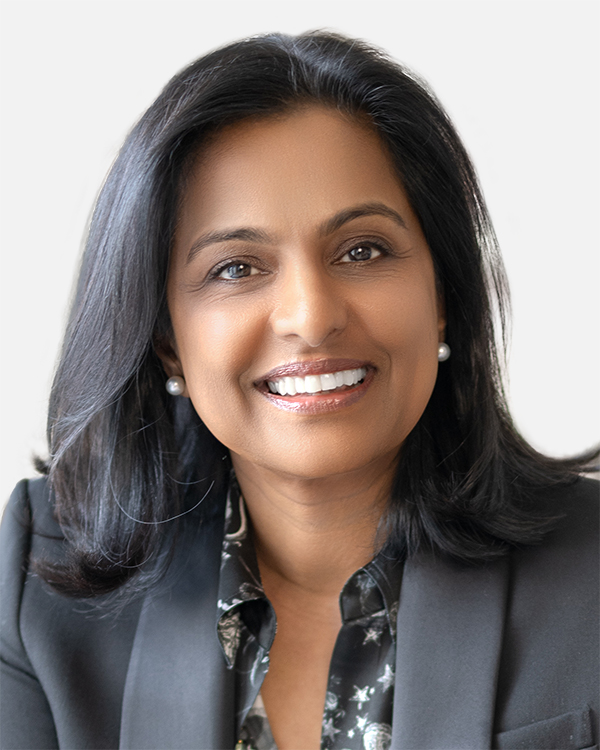
Global India Practice Chair
Mini Menon
vandePol
BACK TO TOP

Carve-Outs
Used to market portions of integrated businesses that whether due to changing conditions or otherwise are key sale assets with hidden value.
Phased Closings
Synchronized approaches to obtaining approval for closing are still the gold standard but closings can be delayed in individual countries where the global business needs necessitate agility.
Insurance
Representation and Warranty Insurance is now a common tool in global M&A and can be leveraged to cover global transactions where risks and compliance have had adequate due diligence.
Risk Sharing
Whether through earn-outs, rollovers, seller financing or the return of the joint venture, uncertainty is creating careful approaches to allocating risk.
45%
... of respondents view cybersecurity and data privacy disputes as the top legal concerns for 2025.
Source: Baker McKenzie Disputes Forecast Report 2025
Sector Insights
Consumer Goods and Retail (CGR)


Principal, Singapore
Shirin Tang

Partner, Washington, DC
Rod Rosenstein
Resilience Toolkit for M&A
Across industries and geographies, opportunities for growth are taking shape through transactions, strategic risk mitigation and the power of technology.



Source: Ripple and Boston Consulting Group.
Today’s market for tokenized assets is USD 0.6 trillion.
How our Financial Institutions group can help you
Listen to the full episode on dupes and lookalikes
Uncover the top strategies for tech organizations to safeguard their trade secrets.
Which Sectors are Hotspots for India Inbound M&A and FDI?
What do the Latest Amendments on Merger Control
Mean for Dealmaking in India?
Disclaimers
Privacy & Cookies Statement
Attorney Advertising | © 2025 Baker McKenzie


Hi! We'd love to get your opinion;
are you finding this article insightful?


Thank you!
Your feedback is valuable to us
Why do strong supply agreements matter?
Agreements come in several forms, including clinical supply agreements, commercial supply agreements and distribution or logistics agreements. Each one must be tailored to the product’s stage, regulatory context and market dynamics. The structure and flow of the key provisions should provide clear parameters for liability, including details on recitals, definitions, scope of services, standards of performance, remedies for non-conforming batches, forecasting and purchase orders.
When partnering with Contract Development and Manufacturing Organizations (CDMOs), contracts should not only outline expectations when things go smoothly but also protect against potential issues and common pushbacks—particularly regarding liability, performance and risk allocation.�
Can I mitigate supply chain disputes resulting from tariffs?
Complex supply chains must manage regulatory and location-specific compliance resulting from tariff and trade changes from the perspective of diversification of sourcing, testing, manufacturing, storage and licensing.
When considering shifts in manufacturing sites due to tariffs or trade practices, Els Janssens, Counsel, based in Brussels, also notes that “companies should also account for longer facility readiness timelines and inspection waiting times due to increased demand and capacity constraints.”
To minimize disputes and ensure practical execution, supply agreements should clearly define commercial terms, day-to-day operational mechanics and risk allocation. Additionally, detailed provisions for performance excuses and mitigation obligations are essential to address disruptions and protect both parties’ interests.�
How can I mitigate the impact of tariffs on my M&A prospects?
Market expansion through M&A provides access to a larger customer base and growth opportunities. However, other options include selling assets in certain jurisdictions to reduce exposure while releasing liquidity to invest in other supply chain shifts.
Companies can minimize tariff impacts by regularly reviewing their trade processes, taking advantage of tariff programs and ensuring compliance with changing regulations. Businesses can also meet strategic aims by acquiring or merging with entities in less impacted regions. �
Companies should stay ahead of the risk curve by conducting robust regulatory and compliance risk assessments and audits including of vendors and partners and map out contingency plans and strategies.
Celeste Ang, Principal, Singapore
Tariff proposals are influencing M&A activity because people are taking longer to do due diligence—buyers are more cautious. Additionally, more regulatory diligence is required, and deal timelines are getting longer.”
Michal Berkner, Partner, London
What impact do custom duties, transfer pricing and tax considerations have on my business?
Pharmaceuticals and medical devices now face import duties in the US and other countries imposing retaliatory measures. Shifting these costs to end-users requires specific attention to commercial agreements and can impact marketability, and therefore profitability.
Increased costs from tariffs may also affect transfer pricing and Arm’s Length Principle compliance. ��Companies should ensure they mitigate potential double taxation issues and pay attention to possible differing interpretations of cost allocation. Double taxation issues may also increase the risk of tax disputes, and companies should have robust Mutual Agreement Procedures (MAPs) in place.�
Reviewing the use of transfer pricing for intercompany sales and considering alternative customs valuation methods can also help mitigate the impact of tariffs.”
Julia Skubis Weber, Partner, Dallas
Spotlights: Sector-specific governance in action
As global AI regulation evolves, pragmatic governance at a sectoral level is not just a strategic advantage but a necessity. While overarching frameworks provide direction, the real test lies in how different sectors interpret and implement these principles in practice. From healthcare and manufacturing to retail and financial services, each industry faces unique regulatory pressures, operational risks and ethical considerations.
Find out how organizations are navigating complexity by embedding cross-functional governance, aligning with emerging standards and tailoring oversight to sector-specific challenges—all while keeping innovation and accountability in balance.
Spotlight on healthcare and life sciences
Collaboration with regulators is critical as AI adoption accelerates. In the EU, AI as a medical device must comply with both the AI Act and the Medical Device Regulation (MDR), which have distinct yet overlapping requirements. While the MDR focuses on clinical safety, the AI Act emphasizes algorithmic transparency and data governance—creating potential inconsistencies and duplication that require careful harmonization.
In the US, the FDA has called for updates to existing legislation to ensure the medical device regulatory framework effectively addresses the challenges posed by software and AI-based technologies. Across jurisdictions, data integrity remains a cornerstone of AI governance, and companies should establish robust data management frameworks and proactively address AI-specific risks.
���
Spotlight on advanced manufacturing and future mobility
In the current complex regulatory environment, it is challenging to allocate responsibility to a single department. AI governance is increasingly being managed through cross-functional boards, involving Legal, IT and Compliance. As AI becomes a part of day-to-day operations, governance responsibility may shift to Compliance and Privacy departments, mirroring how GDPR and privacy compliance are managed internally.
Spotlight on consumer, goods and retail
A clear governance strategy for both internal and third-party AI use is essential to maintain consumer trust and protect brand reputation. Companies must monitor developments not only in AI governance but also in related areas such as HR, consumer protection and advertising. As AI becomes increasingly integrated across operations—from chatbots and data analysis to supply chain, production and personalized marketing—effective governance requires input from a diverse set of stakeholders.
���
Spotlight on financial institutions
When errors occur with AI usage in the financial services sector, regulators demand clear accountability. They want to know who made the decision and what information was available at the time. Vinod Bange, Data and Cyber partner based in London, explains, “The AI Act and similar frameworks make it clear: when issues arise, it’s the people and institutions who must answer for them. Financial institutions must ensure that AI systems are explainable, auditable and governed by robust oversight mechanisms.”
���
What practical steps should NBFIs take now?

Deal structures are evolving to build resilience in a new global environment. From the rise of private credit financing to strategic investor partnerships and the return of joint ventures, the market is adapting to meet high interest rates, tariffs and uncertainty.”
William Rowe, M&A Partner, Chicago
The Committee on Foreign Investment in the United States is even reviewing deals from five years ago. That retroactive risk shapes how deals are structured today and how companies prepare for future administrations.”
Rod Rosenstein, Litigation Partner, Washington, D.C.
Integration has to be centralized in governance but locally executable. Effective localization is critical to achieving regulatory compliance.”
Shirin Tang, Principal and Head of M&A, Singapore
Companies need granular, jurisdiction-specific strategies to navigate what comes next,”
Sunny Mann, Global Chair and Head of the Geopolitical Risks Taskforce


The Four Foundations of Effective Data Management:
classification, quality, reuse and security
LEARN MORE
CATCH-UP ON PAST ISSUES
Explore insights and strategies from our previous briefing
Conclusion
Core Principles to Incorporate into an AI Governance Model
Accountability
Safety
Transparency
Fairness
Human-Centered Design
Privacy by Design
Corporate Responsibility
Act as ethical stewards of AI, prioritizing long-term societal impact.
Embed privacy protections into AI systems from the outset.
Support—don’t replace—human judgment, especially in high-stakes decisions.
Promote equitable treatment and outcomes across all user groups.
Ensure AI systems are explainable to users, regulators and stakeholders.
Implement robust testing, monitoring and risk mitigation procedures.
Assign clear responsibility for AI outcomes and decision-making.
Click on the circles to read more
Review of business models: Strengthen risk management frameworks particularly around liquidity, leverage and counterparty exposures. Identify activities (e.g., liquidity transformation, use of leverage and cross-border operations) that may come under new rules, even if they are currently unregulated.
Operational flexibility: Build systems and processes that can adapt quickly to new reporting or risk management requirements.
Strengthen internal
risk management
Enhance transparency and reporting
Monitor regulatory developments
Prepare for activity-based regulation
Foster a culture of resilience
Engagement: Participate in consultations, industry groups and dialogues with supervisors to anticipate and help shape new rules, particularly if involved in high-risk activities like crypto assets, real estate or leveraged lending.
Global benchmarking: Monitor and track regulatory developments closely, especially those related to DORA and ESG-related disclosures (Sustainable Finance Disclosure Regulation, EU Taxonomy). As regulatory convergence accelerates, it’s important to track developments not just in the EU but also in the UK, the US and the Financial Stability Board and the International Organization of Securities Commissions.
Strengthen internal risk management
Enhance transparency and reporting
Monitor regulatory developments
Prepare for activity-based regulation
Foster a culture of resilience
Data readiness: Prepare for more frequent, granular and harmonized data requests (e.g., on fund flows, derivatives, cross-holdings and margin calls).
Disclosure: Be proactive. Voluntarily improve transparency to investors and regulators — this can build trust and reduce the risk of intrusive regulation.
Strengthen internal
risk management
Enhance transparency and reporting
Monitor regulatory developments
Prepare for activity-based regulation
Foster a culture of resilience
Liquidity and leverage: Stress test your own liquidity and leverage positions under severe but plausible scenarios on the models currently applicable to the financial sector, not just regulatory minimums.
Scenario analysis: Model contagion and assess the impact — how would your actions in a crisis affect and be affected by others?
Strengthen internal risk management
Enhance transparency and reporting
Monitor regulatory developments
Prepare for activity-based regulation
Foster a culture of resilience


RETHINKING FINANCIAL RESILIENCE
Stress Testing to Shine a Light on Shadow Finance
KEY ASPECTS
Data Classification
Data Quality
Secondary Use of Data
Data Security
Governance Structure
Risk Management
Bias & Fairness Mitigation
Human Oversight
Transparency & Explainability
Data Governance
Security & Robustness
Compliance with Laws & Standards
Sustainability & Social Impact
Training & Awareness
Incident Response
EU Stress test: detailed analysis of non-banking companies in sight
UK Financial Stability Board’s Global Monitoring Report on Non-Bank Financial Intermediation 2024
European Commission launches consultation on macroprudential policies for Non-Bank Financial Intermediation




Inside this issue...
Hover over a tile to read more

Trade, Tariffs and Supply Chain Optimization
READ MORE
Achieving Stability through Innovation and Compliance
Explore more
Global Chair, London
Sunny Mann

Counsel, Houston
Daniel Garcia

Principal, Singapore
Celeste Ang

Partner, London
Michal Berkner

Partner, Chicago
Anastasia Herasimovich

Partner, Dallas
Julia Skubis Weber

Partner, Chicago
Adam Aft
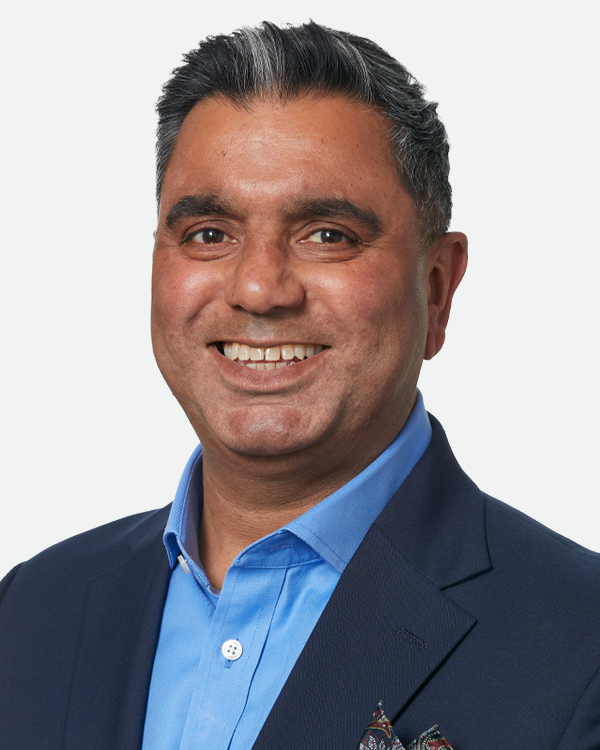
Partner, London
Vinod Bange

Counsel, Brussels
Els Janssens
Governance: Ensure boards and senior management understand systemic risk concepts and are prepared for regulatory scrutiny.
Collaboration: Work with peers and authorities to develop best practices and contribute to system-wide resilience.
Strengthen internal
risk management
Enhance transparency and reporting
Monitor regulatory developments
Prepare for activity-based regulation
Foster a culture of resilience

Partner, Munich
Florian Tannen

Counsel, London
Jaspreet Takhar